Technical presentations are the bread and butter of science and technology fields. It is the primary pathway information about innovation, developments, progress, and success is transmitted from the actual work to the outside world.
Leaders, program managers, investors, end users, and operations functionals rely on critical information about science and technology developments – whether it’s progress on integrating a new chip into a wearable or the results of a ground-breaking medical study.
The challenge lies in the ability of the subject matter expert (i.e. SME) to effectively translate their work to this diverse set of stakeholders and audiences.
In this post I’ll break down the challenge of presenting well in the sciences and technology-based fields for both speakers and listeners, and provide my top tips to support SMEs in their quest to share their work with the world.
Learning about science and technological innovation, as a lay person
Sitting in the audience at a technical conference outside of your specific field or area of expertise can be an overwhelming experience.
You don’t know the backstory of the developments you’re learning about. You don’t know the jargon. You don’t know the assumptions that make sense and which should be challenged.
You may critically need the details included in a technical presentation, but find them just outside your grasp of understanding.
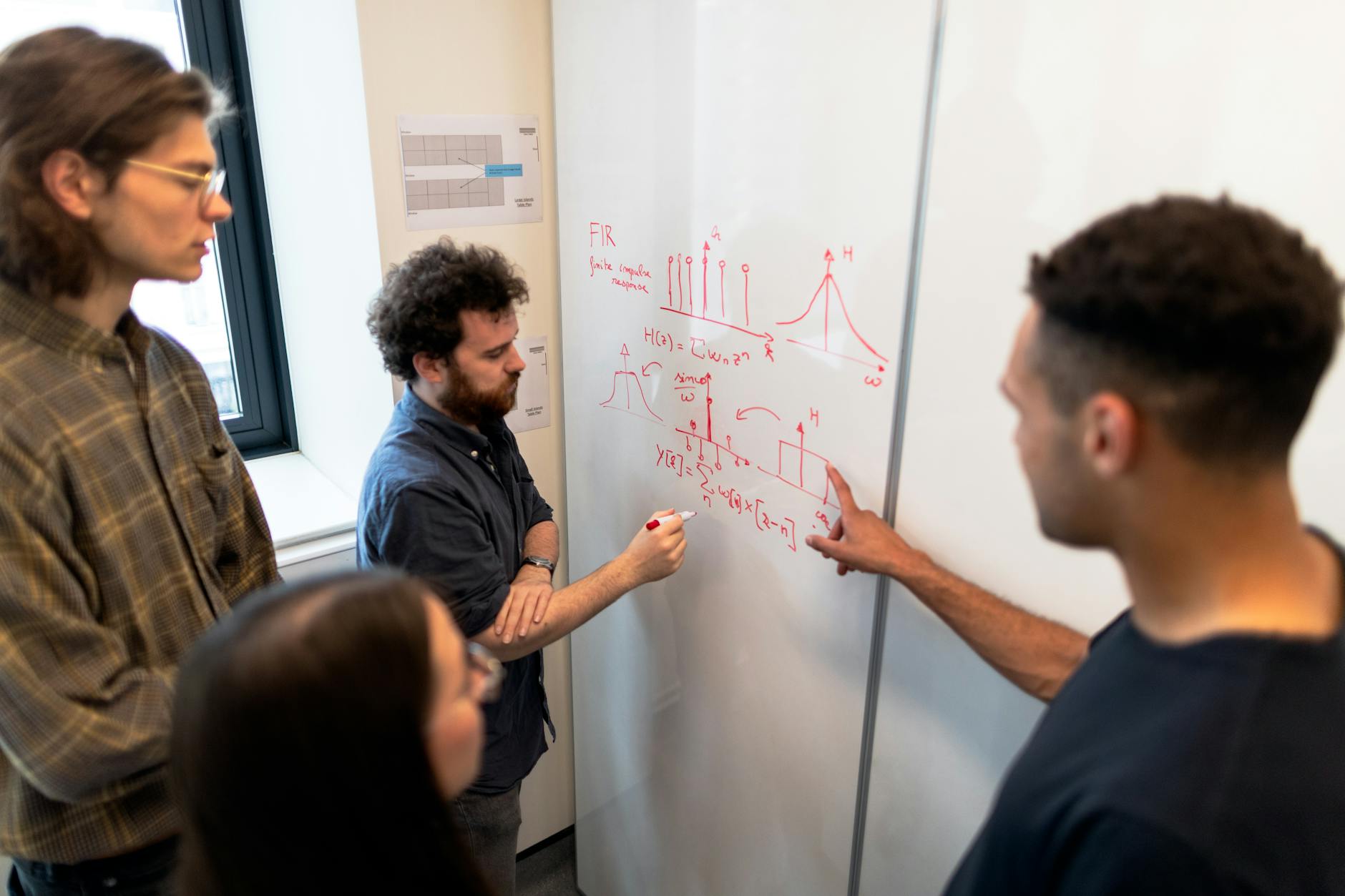
Unless you’re highly motivated, internally or externally, this is a challenging place to be as an audience member. You have to work extraordinarily hard to follow the thread of discussion. To connect the developments together.
Non-expert, or lay audiences, are then often faced with exhaustion, frustration, wandering attention. These are the coughs, the whispers, and the scraping chairs in a technical presentation.
Even for those with some technical expertise or foundation for understanding the presentation, accurately following the discussion can be difficult.
On a daily basis, I listen to experts work hard to understand the details of a complex setback in the development of a new piece of hardware. I hear experienced, smart people ask basic and uninspired questions.
Learning something new is hard. Even if it is related to things you already know.
This is the primary challenge the science and technology speaker must confront. And, to be successful, SMEs must meet their audience where they are, not where they wish they were.
The experts’ speaking challenge – stepping outside the comfort zone
On the other hand, science and technology SMEs are not necessarily trained public speakers. They are not necessarily comfortable sharing their work publicly, orally.
Translating complex information in a straight-forward and accessible way is incredibly difficult. Not many of us can match the skill of Neil DeGrasse-Tyson. Although, I aspire.
If you have ever asked someone to do something you believe to be relatively easy, say making coffee in your coffee maker, and found they did things oddly or the coffee was awful, you understand the challenge of connecting complex information with a lay audience.

One of the reasons that effective translation of scientific and technological developments to others is difficult is simply because it takes time.
It takes time to be familiar enough with a subject to be able to distill it succinctly and concisely into a package of information. This is exactly why creating a 15- to 30-second elevator pitch is so hard. There is just a lot to say about yourself or your idea. What do you cut out? What do you need to keep?
This challenge never goes away when sharing novel science and technology updates.
Another reason presenting well about complicated topics is hard is because delivery matters. The tone of voice, use of body, eye contact, and energy of a speaker matters to the way the audience connects with the speaker and their topic.
6 Tips for Great Science and Technology Presentations
To help SMEs overcome these challenges and meet their audience where they are, I’ve compiled my top 6 tips for any science and technology presentation. Using these techniques will not only help speakers feel more confidence, but they’ll also see better results from their presenting.
Cut. It. Down
You can always streamline your examples, cut down your evidence, shorten your explanation. Practice explaining the main point of each part of your presentation in one sentance. Work and rework the phrasing until it rolls off your tounge with ease. Less is generally more. It forces greater clarity, more strategic use of words, and helps the audience stay attentive.
Connect your topic to something relatable outside your field
If you’re speaking to an audience outside your technical area, using strong comparison, analogies or examples of how your technical development relates to something more mainstream, is so valuable!
As I work to relate my existing technical knowledge to new technology, I often ask SMEs how it relates to other things – cars, building, computer science, whatever I think most relevant.
If a speaker were to provide that for the audience, understanding becomes rapid, and comprehension is firmer.
Use repetition strategically
One of the ways we learn best is through repetition. Simply resharing an idea throughout your presentation can dramatically improve your audience’s memory of your message. Repetition gives our brain more opportunities to connect new knowledge with existing and to craft important pathways between concepts.
However, no one wants to feel like they’re being told the same thing over and over again. So, find ways to adjust the way in which you repeat something, or use a different example to demonstrate the same point or idea.
Your message shouldn’t feel repetitive, but you’ll have better speaking success if you use repetition as a teaching tool.
Use visual aids to connect the dots
The one benefit to our digital, AI-driven world is that highly visually engaging and clear images are easy to use and get. We are highly visual creatures, so whenever possible use visuals to supplement your oral message.

Be strategic – don’t choose images just because they are images. Instead, consider what you will say while each slide is presented and choose a visual that shows visually what you are explaining. You’ll find often these images become representative of your message for your audience so again, be selective you’re showing what you want them to see.
Practice engaging delivery that fits you
The key to great delivery is to practice. In most cases, all the fancy style and directions you get about components of delivery and how you use your body in your presentation are just cake icing.
Good delivery connects the speaker to the audience as simply and authentically as possible.
Be yourself. Don’t try to be anything else. Authenticity is a meaningful connection between you as the speaker and the audience. If they believe you are yourself, they will overlook and forgive many other distracting features of delivery.
My advice here – PRACTICE. Practice many times until the message is clear, uncluttered with extra words, and you feel confident in what you’re saying. The rest will fall into place without trying too hard.
Answer questions with confidence and clarity
First, recognize that questions are typically a success story. Your audience listened and learned enough about your message to carry a question to the appropriate time. Success!
However, this is a tricky time in many presentations. Mistakes I often see related to questions and answers involve answer that are too long and meandering, and answers that don’t really respond to the question.
Later we’ll spend an entire post focusing on how to answer questions effectively.
In general, keep answers short and use content from the presentation as the basis for your answer. Don’t be afraid to follow up with certain people after the presentation or via email later.
Wrapping Up
I work with SMEs on a daily basis and understand the struggle between technical expertise and communicating that out to other experts or leaders.
If you’d like support in your speaking journey, reach out! I’ve helped dozens address their speaking anxiety and uncertainty and watched their careers leap forward with new success.
Or, if you’re still thinking, check out my Work With Me page for details about how I can support you or your organization with targeted support and feedback.
Cheers,
Andrea


Leave a comment