

Steps to rebuild your confidence and get back in the game
Serena Williams, one of if not THE greatest tennis player of all time once said, “The real victory lies in rising again.”
Throughout her career, there were likely thousands of times she could have given up, walked away. Done something easier than dominate an entire sport. But she pushed through those hard times to achieve her greatness.
Success without setbacks is impossible. When you first stepped out into the world of work world, you may have been warned about failures. Setbacks. Opportunities for growth. Sound familiar?
The time has come to overcome your presentation setbacks, no matter in what domain they popped up. Maybe you didn’t get the job you wanted because you fumbled your interview responses. Maybe you didn’t actually get that new contract or the funding for your project. Perhaps the client just wasnt interested after your sales pitch. Is the company “going in a different direction” after your impassioned pitch?
At some point in your career, no matter how inexperienced or polished you are as a speaker, you’re going to run smack into a roadblock.
Today I’m going to first tell you that you can rebound and grow as a speaker, no matter what setback you encounter on your speaking journey. Next, I’m going to walk you through the process that gets you back on the road to success.
#1. Take stock of your preparation phase
Speaking-related failures do not appear out of thin air.
Life has a sense of humor and likes to kick us down when we are already struggling, but chances are if you take stock of what you did to prepare for your presentation in advance – the time you spent revising and editing, audience analysis you did, or your rehearsal reps, you will see the warning signs.
Hindsight is 20/20, but with a little bit of work, you can make sure to correct where you think you may have gone wrong. Remember, mistakes of the past do not influence your future presentations, but you should learn from them.
Pro Tip: You probably didn’t rehearse enough (or at all). It’s easily the one thing that can make the difference in your presenting and is something most speakers miss.
#2. Damage control
Is the lost opportunity having a broader effect on your business or career?
Don’t panic. No, seriously, this is not the time to shut down and give up on yourself as a speaker or communicator.
You can learn from this setback and take proactive steps to prevent that specific type of mistake hold you back in the future.
The outcome for many speakers who perceive or experience failure is an explosion of public speaking anxiety and self-doubt. I’ve shared lots of tips about managing public speaking anxiety – read the latest here.
Top Tip: Take it from someone who has certainly been in your shoes. If you work to improve your public speaking, you can find success. What do you have to lose?
#3. Accept (and seek) help
A lot of people I talk to profess they want to become stronger presenters, but avoid connecting with someone who can help get them there. While it may seem that strong speakers are born with innate gifts, they’re actually working hard at their craft, and the results are usually apparent. And, they aren’t doing it alone.
Instead, if you accept and seek out feedback from colleagues or even professional speaking coaches, you can expedite your speaking improvement journey and more effectively manage the challenge that comes from a speaking setback.

For example, simply asking a coach to review a video of a recent presentation can equip you with several opportunities for tweaking or adjusting your speaking approach to be more effective.
Find out more about opportunities for me to review your presentation videos here.
#4. Plan for the future
Now that you know how to pick yourself up from an ineffective presentation and move forward with a new plan, it is time to leave it behind you and create your next presentation using what you learned from your mistakes!
Remember: Speaking mistakes are common, and you are not inferior because you made some mistakes. All you can control is how you deal with this setback and use it to move you forward.
If you’re not exactly sure where to go from this spot, I provide some hints about possible causes for presentation misses here.
For example, according to speaking coach Catherine Syme, controlling fear is key to optimal public speaking performance.
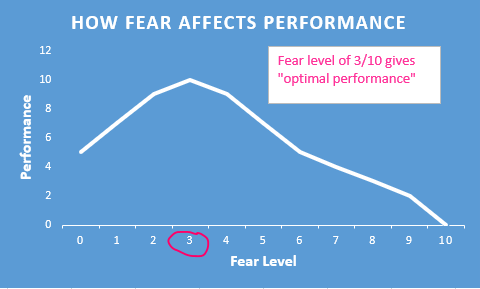
Once you’ve experienced a speaking setback, you’re likely to feel some anxiety and stress the next time around. However, with a great plan and some support, you can avoid getting in your own way as you step up to the microphone once more.
#5. Act, Don’t React
Action is the mother of career success. Having movement and momentum as you experiment and refine your approach as a speaker is critical to your long-term success.
Dr. Shafer Stedron talks in-depth about our need to respond with thoughtful care, rather than reacting out of emotion. She does a fantastic job highlighting the need to create space before we respond to challenges with knee-jerk reactions that might be maladaptive.
Reaction puts you back in the headspace of a thoughtful speaker, able to consider the needs of the audience over your own emotions and thoughts.
How can I help you overcome a speaking setback?
Are you still flailing a little or want just a bit more help to get you back on your feet after a speaking miss or missed opportunity for success?
No problem! As a public speaking coach, I pride myself on helping you untangle the complicated thoughts and emotions you have about speaking and how that influences your ultimate presentation.
If you’d like support to strengthen your speaking and confidence, reach out! I can’t wait to hear from you.
And did you listen to my podcast on how limiting beliefs hold you back as a speaker? It directly relates to the type of setback you might have experienced.
I’d love to hear what you think of it!
Till next time, keep presenting well!
~Andrea

Leave a comment