
Be ready to adapt to the new world of work
Are you one of the 2 million federal workers recalled back to the office after 5 years at home? Or maybe you’re in corporate America where you see the tide turning against telework?
Either way, if you’ll be finding yourself in the office more in 2025, you’re in for a huge transition.
While juggling the personal aspects of losing telework will be significant for most people (just how do you get the laundry done if not between meetings?), the impact to our work experiences will be momentous.
It doesn’t make it any easier that recalls back to the office are somehow tinged with an assumption that you’ve been sitting around doing nothing at home. Especially, if like me, you’ve found these the most balanced, most productive years of your career.
I hope you’ve managed to process this unfortunate and perhaps disappointing news, collect your thoughts, and are ready to take positive action to navigate this substantial transition.
If you’re wondering just how to go about that and what you should be doing now to keep your career on track (even if everything feels out of whack) and shine in the new status quo, you’re in luck!
In today’s post, I’m going to cover what has changed, how it affects your career, and outline 4 specific things you should do now to help align your presentation skills when working back in the office so you can keep moving forward and shine in the next version of work.
Ready? Let’s get into details!
What is the RTO Recall All About?
Recently, the Trump administration issued an ultimatum to over 2 million federal workers – resign or come back to the office full-time. Similarly, estimates are that nearly 80% of the corporate world will be back in the office full time in 2025.
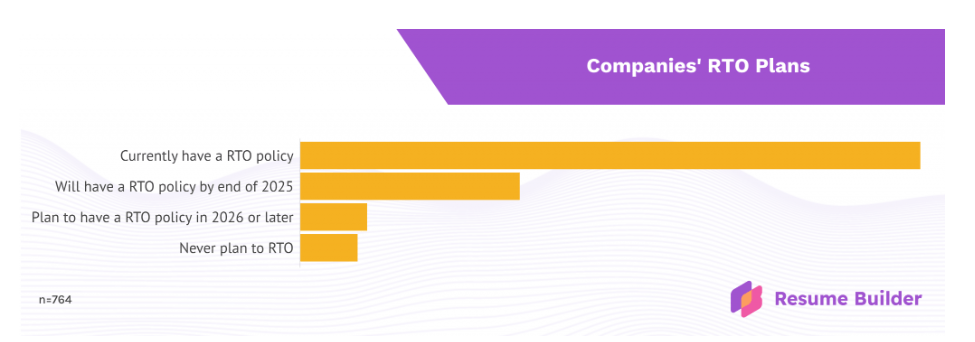
Back in the office again, this means all those presentations, briefings and meetings we’ve been holding virtually for the last five years are going to transition to face-to-face delivery.
This change affects everyone recalled back to the office in a variety of ways, such as:
- Face-to-face communication emphasis: We will literally have to reengage our face-to-face communication skills with colleagues. How we manage conflict, persuade, and coexist will require strong and open communication, all without the chat.
- Non-verbals matter: Behind your computer screen, no one could see what you were doing, or what your nonverbal communication was saying. In an RTO world, we must get used to being “on” all the time again.
- Recalibrating work/life balance: With the additional time spent commuting while still juggling family responsibilities and childcare schedules, people will be stressed back in the office. Our communication needs to empathize with these very real struggles while still moving the organization forward.
- Conflicts will emerge: How do we manage noise in the office? What if there aren’t enough parking spaces? What if the internet setup can’t handle the demand? We will need our most judicious and confident communication skills to manage these new conflicts.
All of this sounds stressful right now. Take another moment to acknowledge what you are losing as you return to the office full time, and grieve, if necessary.
Expert Dr. Lily Tenney from the University of Colorado Anschutz Medical Center recently shared her advice for navigating the range of emotions that bubble up when telework arrangements end.
4 Things You Should Do Now To Communicate Well As You RTO
People like you and me will successfully navigate this significant transition, just as we did in the early days of COVID-19 that were terrifying and stressful as we learned to live and work in brand new ways.
To manage these challenges like a pro and boost your career in the process, here are four ways you can shine when you get back to the office.
#1. Ensure You Dress the Part
If you’ve been working from home for any period, it’s pretty likely your wardrobe has been pretty casual. Back in the office, you’ll need to continue to “dress the part”. While your organization may adjust the dress code that it once followed, fall back on a business professional style until new norms are outlined and clarified.
Dress is an important indicator of your credibility. When you dress more professionally, your colleagues will take you more seriously, respect you more fully, and value your commitment.
Many of your colleagues will likely experiment with the dress code, likely. I anticipate seeing a lot of running sneakers, yoga pants, and awkward-fitting tops from many.
Instead, I advise showing up well-groomed in your professional clothes, which will set you one step above the others – standing out is a good thing in this case!
Your supervisors and clients will notice your care and extend trust, goodwill, and confidence in your decisions. Win-win-win.
#2. Get comfortable asking and answering questions verbally.
This may be a bit of a no brainer, but if you step back and look at your online meetings, you’ll notice a trend. No one (or very few) asks questions on mic. Instead, most participants who ask questions type them into the chat.
However, once the meetings move back to face-to-face settings, the Q&A will need to do the same.
If you’re a participant or attendee at a meeting or presentation, you’ll need to be prepared to as the same critical, important, and thought-provoking questions you’ve been typing into the chat to support decision-making and growth.
Similarly, as a speaker, you’ll need to get ready to answer questions face-to-face complete with appropriate non-verbals and answers rolling easily.
If you have the information the audience is looking for, you will be able to shine when the formal remarks end and the conversation with the audience begins.
#3. Avoid complaining about the loss of telework
It’s only natural to feel frustrated and confused about the rollback of telework – you have been working hard and are maybe more productive at home than in the office. Claims otherwise can be difficult to take.
Especially because one of the best benefits of telework is better work/life balance and more time with your family and friends. If COVID-19 taught us anything is that the people in our lives are most important.
Nonetheless, back in the office is where we might find ourselves.
It can be tempting to try to vent these frustrations and your very real loss in the office. While it might be nice to commiserate for a few days, long-standing complaints will start to turn people away and make them notice you for the wrong reasons.
For team morale and your reputation in the organization, issues related to loss of telework or return to the office issues should be handled professionally with constructive feedback to leadership.
#4. Sign Up For A Public Speaking Course To Refresh Your Skills
Communication and presenting face-to-face are significantly different from online and if you’ve been home for a while, you’ll be pretty out of practice.
Taking a course or working with a trusted coach can be the best way to shake off the cobwebs and prepare yourself for the new reality of work.
Are you ready to stand in a room full of eyes and deliver and engaging and provocative briefing?
Are you ready to answer leadership’s critical questions while maintaining your conversational delivery style?
Are you ready to go into the conference room and effectively manage your nerves while sharing disappointing news?
If not, arm yourself with some new skills and techniques to help overcome challenges you might be facing such as public speaking anxiety or some presenting skills that could use a bit of a brush-up.
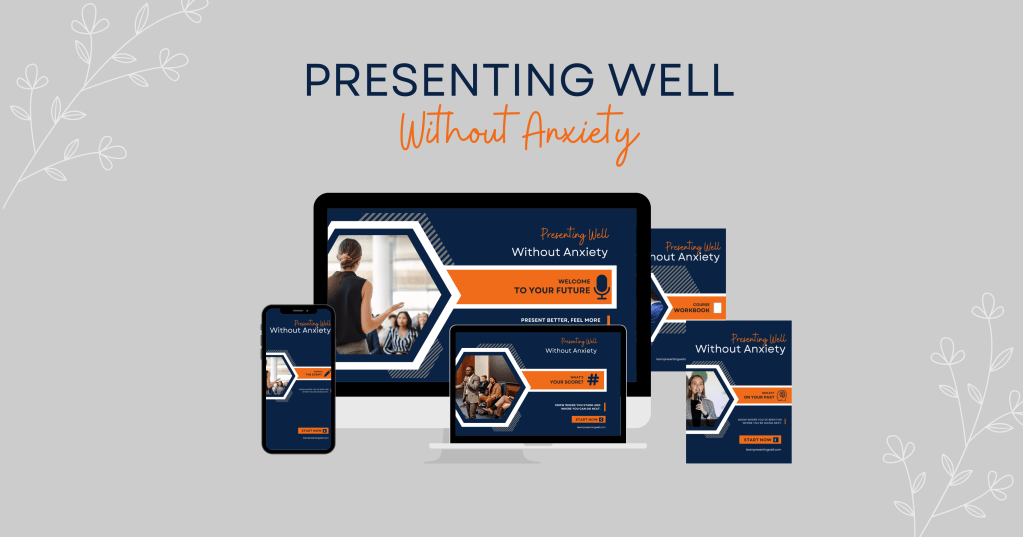
Click here to learn more about the course, Presenting Well Without Anxiety.
When the workplace evolves significantly for the second time in just a few years, we have to be ready. To succeed and push our career forward, we need to be able to adapt, assess the situation, and rise to the challenge
Public speaking skills will always be vital for professional success.
This course, Presenting Well Without Anxiety, will equip you with new tools to effectively recognize, manage, and overcome any public speaking anxiety you might be taking back to the office with you.
Whether you’ll have some upcoming face-to-face meetings, persuasive briefings, or trainings to deliver, this course will help you slip back into your in-person speaking opportunities with more ease, less stress.
Don’t delay; your RTO date is approaching and waiting won’t make your presentation anxiety less intense or more manageable.
Conclusion
Have I some misgivings and serious concerns about the value of RTO, given the number of years we’ve successfully and productively been working from home? Yep, I sure do.
I’m all about a career that you love, but that fits within the bigger, more wonderful life you want for yourself and your family. Work should enable joy in your life, not hold you back.
That’s why I created a public speaking anxiety course, so whether you’re in-person or online, your presentations will deliver the results you want and your professional career can soar.
That’s why, for less than an evening out, and a few hours invested in understanding your presentation anxiety and developing a custom plan to manage speaking stress, you can change your future.
If there’s one thing I’ve learned in nearly 20 years supporting speakers and presenters, it is that even under challenging circumstances, everyone can deliver and be proud of their presentations, no matter whether they are online or face-to-face!
Remember, I’m available to answer any questions you might have about how RTO might affect your presentation and public speaking goals. Visit my Contact Page, or send a message on Facebook.
I look forward to seeing you in class!
To ensure you’re getting the best advice, this post was written by a human, not AI.
~Andrea
Updated by Andrea Hamilton, Feb 1, 2025
Keep in touch! Join my email list for more about how you can be presenting well in your career!
Everyone has a voice. Use yours by Presenting Well.

Leave a comment